Saanyo is a platform built on role-based learning — learning that is directly aligned with the job role a person is aiming for. It is designed to create structure, direction, and real outcomes for both the learner and the creator.
This article explains:
What Saanyo is
How it works
What makes Saanyo different
What it means for creators who share skills
This piece is specifically written for creators or skill contributors who want to deeply understand Saanyo before joining.
Why Saanyo Was Created
When it comes to learning skills online, people face several challenges.
The most common ones include:
Being overwhelmed by too many courses
Not knowing how to organize what to learn
Lacking a clear direction
Eventually burning out and making no real progress
Creators face their own challenges as well:
Building an entire curriculum alone
Guessing what learners actually need
Competing with unrelated, scattered content
Carrying the burden of structuring, producing, and delivering courses
Saanyo was created to solve this.
It is not about adding more content.
It is about organizing skills into clear roles, outcomes, and a structured system.
Saanyo is not a course marketplace.
Saanyo is a complete system where a person can intentionally work toward a skill-based role.
The Core Idea: Role-Based Learning
Everything in Saanyo starts with one question:
Which role is this person trying to become?
Not:
What video looks interesting today?
What topic should I watch?
But:
What role am I aiming for?
What skills do I need to reach that role?
Saanyo organizes everything around real roles, such as:
Web Developer
Graphic Designer
Video Editor
UI/UX Designer
And others
These roles are not marketing labels.
They are clear professional positions people intentionally aim for.
Saanyo's Learning Structure (Overview)
Saanyo follows a clear structure:
Role
└── Stages
    └── Skill Units
        └── Courses / Lessons
This structure applies to all content on the platform.
1. Roles
A Role is the destination.
It answers:
What is this person becoming?
What kind of work will they be able to do?
Examples:
Frontend Web Developer
Motion Designer
Social Media Video Editor
A role is direction, not just a video.
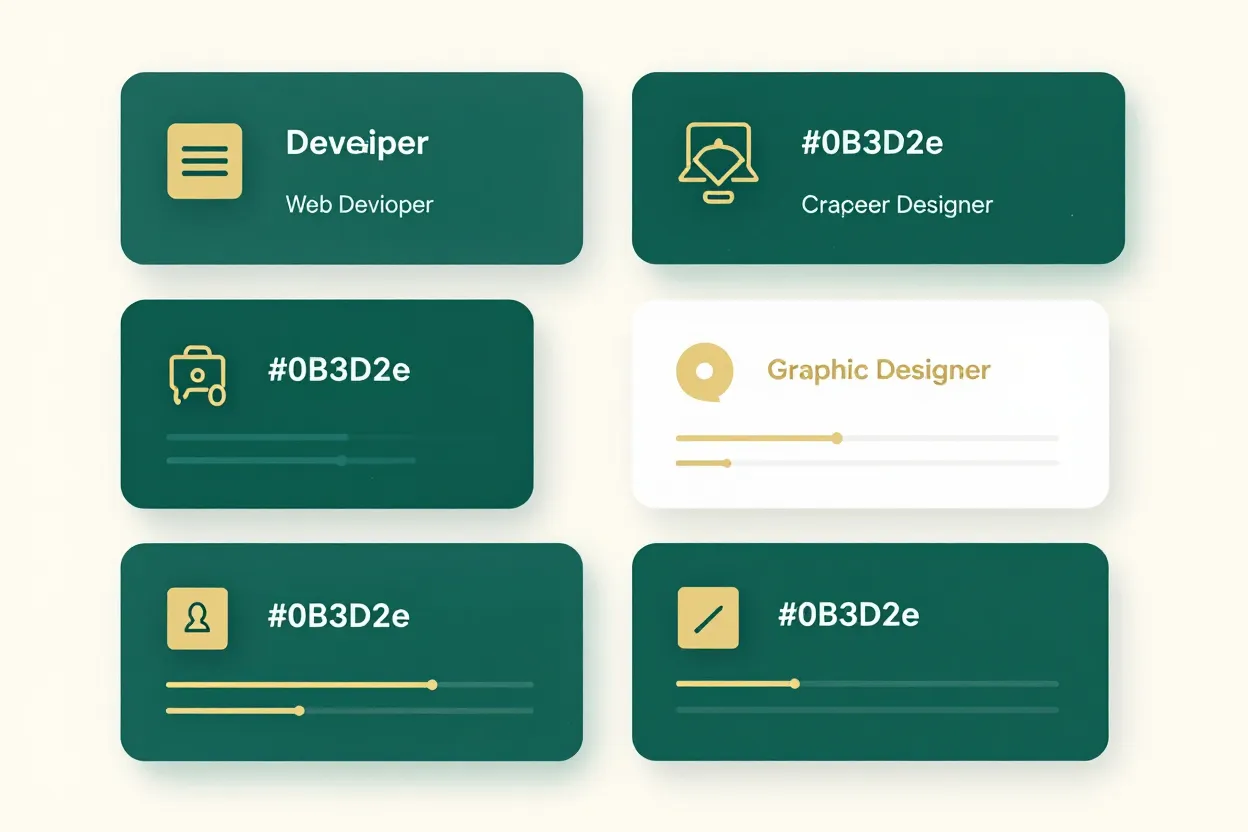
Clean cards representing professional paths on Saanyo
2. Stages
Each role is divided into stages.
Stages show:
Where to start
What comes next
How far the learner has progressed
Examples:
Foundation
Intermediate
Advanced
Professional
The learner always knows:
Their current level
The next step
The expected outcome
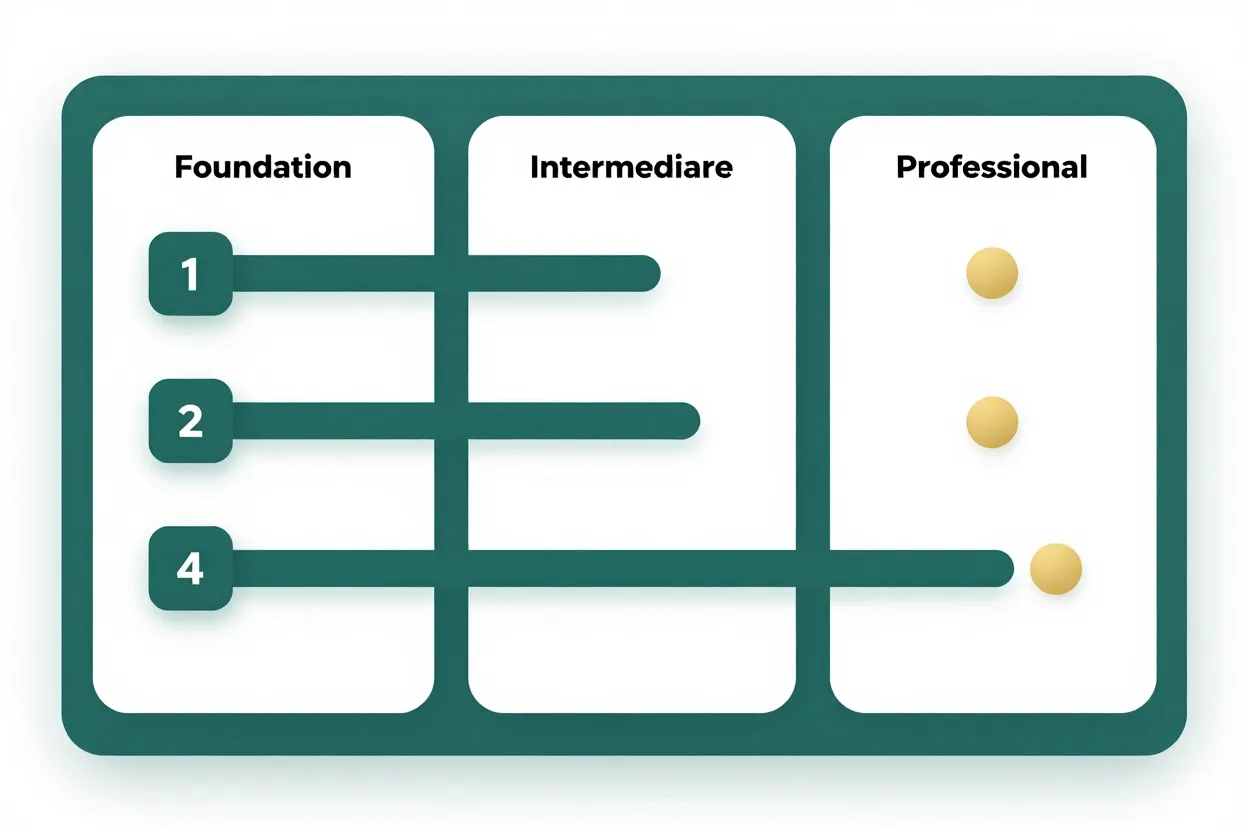
A clear progression from beginner to advanced
3. Skill Units
Inside each stage are skill units.
A skill unit is:
The smallest learning building block
Focused on one specific skill
Outcome-driven
Clearly defined
Examples:
HTML Layout Fundamentals
Color Theory Basics
Short-Form Video Editing Workflow
Learners are not "watching videos."
They are completing skills.
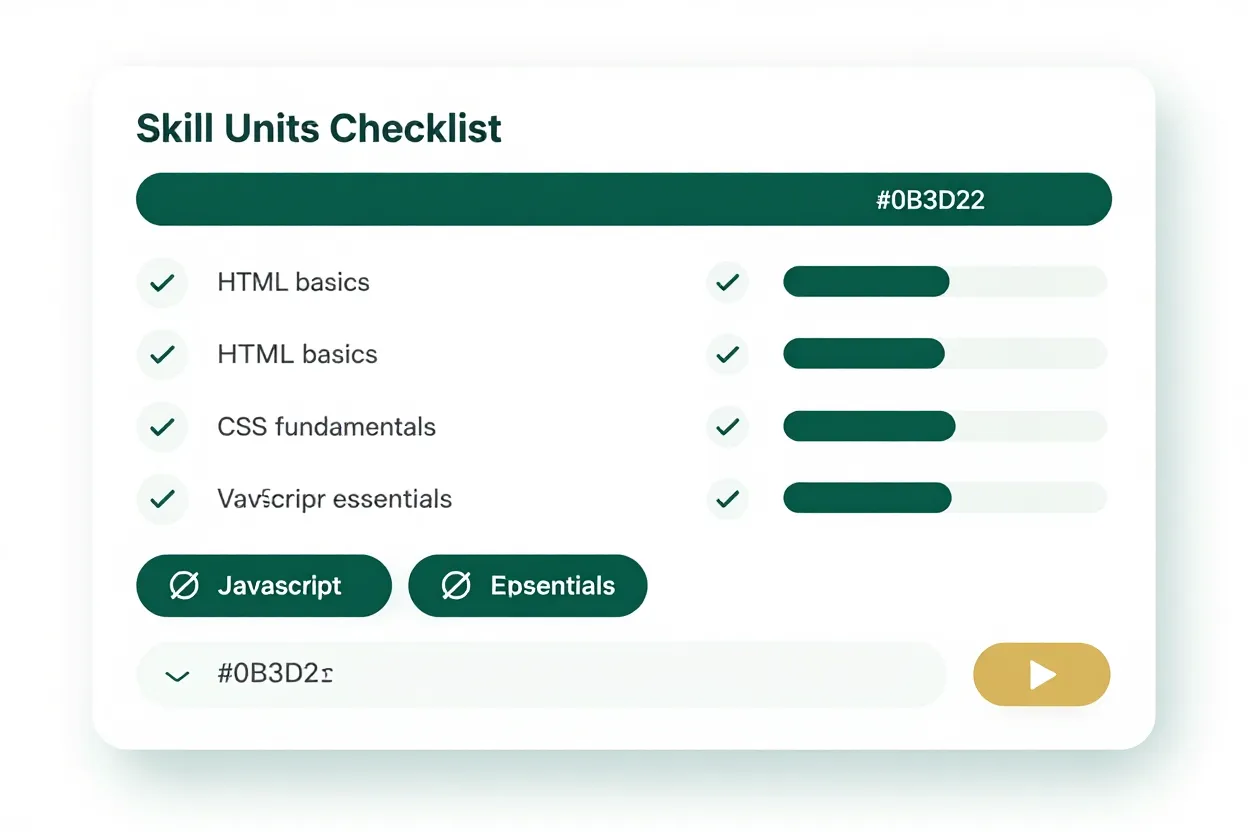
List of skill units with status indicators
4. Courses and Lessons
Courses do not stand alone.
Every course:
Belongs to a skill unit
Has a clear objective
Works toward a specific skill
Saanyo does not include:
Courses with no structure
Topics disconnected from a role
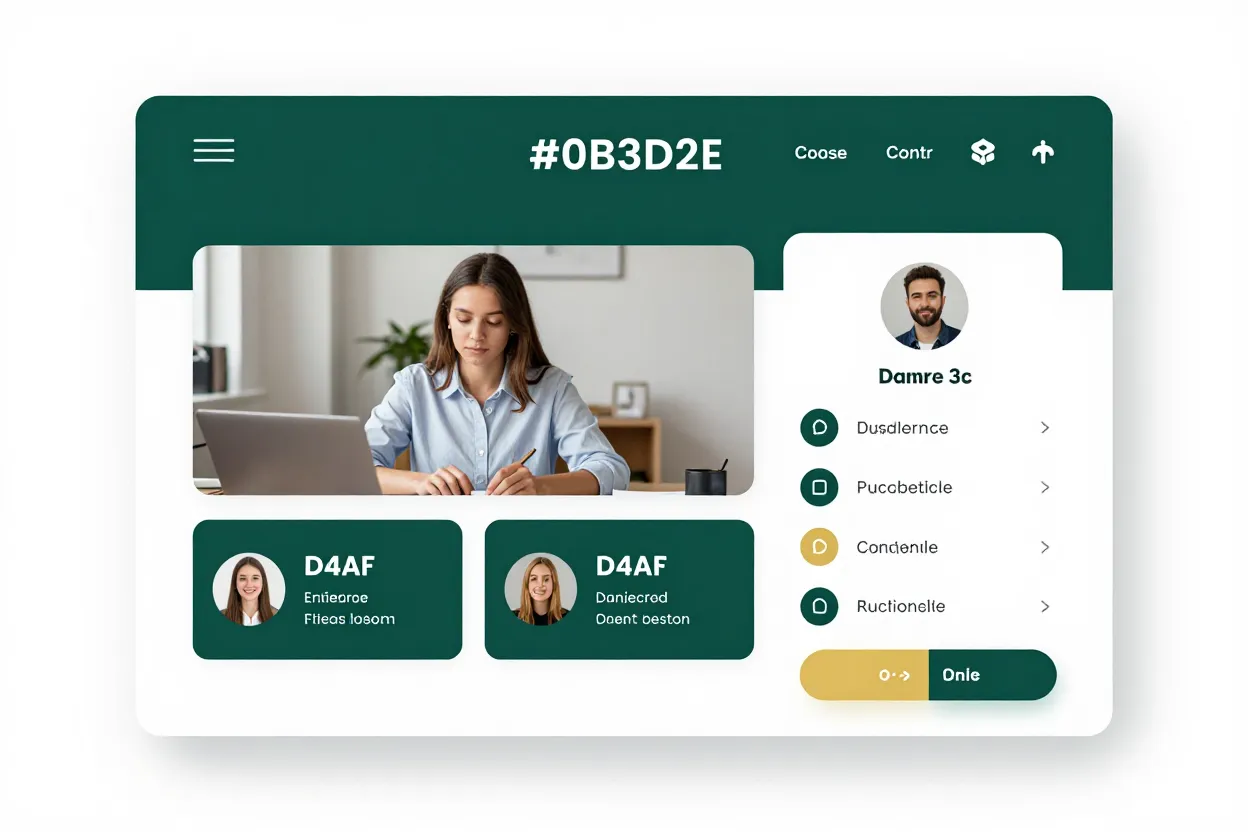
Course page showing role, stage, and skill unit context
What This Means for Creators
Saanyo changes how teaching works.
Creators no longer need to:
Build an entire learning path
Guess what comes next
Compete with unrelated content
Saanyo provides:
A clear role
A defined stage
One focused skill unit
The creator's responsibility becomes clear:
Teach one skill, properly.
Creator Workflow
Creators focus on:
Explanation
Experience
Clear teaching
Saanyo handles:
Structure
Flow
Role alignment
Creators occupying skill slots, each focused on a specific skill
How Creators Participate in Saanyo
Creators do not upload random content.
They become part of a working system.
The flow:
A skill unit already exists
The creator contributes courses related to that skill unit
The content becomes part of a larger role
The result:
Less chaos
Consistent quality
Clear learning outcomes
Why This Model Matters
The reality:
High-quality production is expensive if creators handle everything alone
Editing and structuring take significant time
Saanyo accounts for this.
The system prepares the structure.
The creator focuses only on teaching the skill.
What Saanyo Is Not
Clearly:
❌ Not a course marketplace
❌ Not a YouTube clone
❌ Not a collection of scattered content
Saanyo is shared infrastructure for creators and learners.
The Goal of Saanyo
The goal is simple:
Learners get clear direction
Creators know exactly what they are teaching
Skills are built step by step
Learning becomes achievable and intentional
What We're Asking from Creators (Now)
We're looking for creators who:
Enjoy sharing skills they deeply understand
Can align with a structured system
Are willing to contribute long-term
Conclusion
Saanyo is being built carefully and intentionally.
Every step is considered.
Because:
Structure comes before scale.
If you believe learning needs direction,
Saanyo is built for you.